
6th grade math becomes a turning point where students transition from basic arithmetic to more structured mathematical reasoning. At this stage, learners begin exploring fractions, decimals, ratios, and introductory algebraic expressions with greater depth. Visual models, real-life examples, and step-by-step explanations help them connect abstract ideas to familiar situations. As students practice multi-step problems, they gradually develop confidence in organizing information, recognizing patterns, and selecting appropriate strategies for each task.
6th grade math also encourages students to think critically and justify the steps they take when solving problems. Topics such as geometry, coordinate planes, and data interpretation introduce new layers of reasoning, requiring learners to analyze shapes, interpret graphs, and evaluate information. Collaborative activities, problem-solving challenges, and structured worksheets refine their computational fluency and logical thinking. As they advance, students learn to apply mathematical ideas across different contexts, building a versatile skill set that supports both academic growth and everyday decision-making.
6th Grade Math Worksheets
6th grade math worksheets play a central role in helping students strengthen the skills they learn in class and apply them through consistent practice. At this level, learners begin working with more complex number operations, including multi-step fraction and decimal problems, ratio reasoning, and introductory algebraic expressions.
Worksheets that gradually increase in difficulty allow students to build confidence without feeling overwhelmed. They help clarify misunderstandings, offer repetition in areas where students need reinforcement, and make abstract concepts more concrete through structured tasks. To keep learners engaged, worksheets often integrate visual models, short word problems, and puzzles designed to improve analytical thinking. When students regularly interact with well-designed materials, they gain a stronger grasp of mathematical relationships and improve their problem-solving accuracy.
A structured worksheet set typically includes:
- Practice questions aligned with curriculum milestones
- Visual representations (number lines, grids, coordinate plane tasks)
- Real-life word problems that improve reasoning skills
- Mixed reviews that help students retain previous topics
With the right combination of guidance, challenge, and repetition, 6th grade math worksheets become a reliable support system that strengthens foundational knowledge and prepares learners for more advanced coursework.
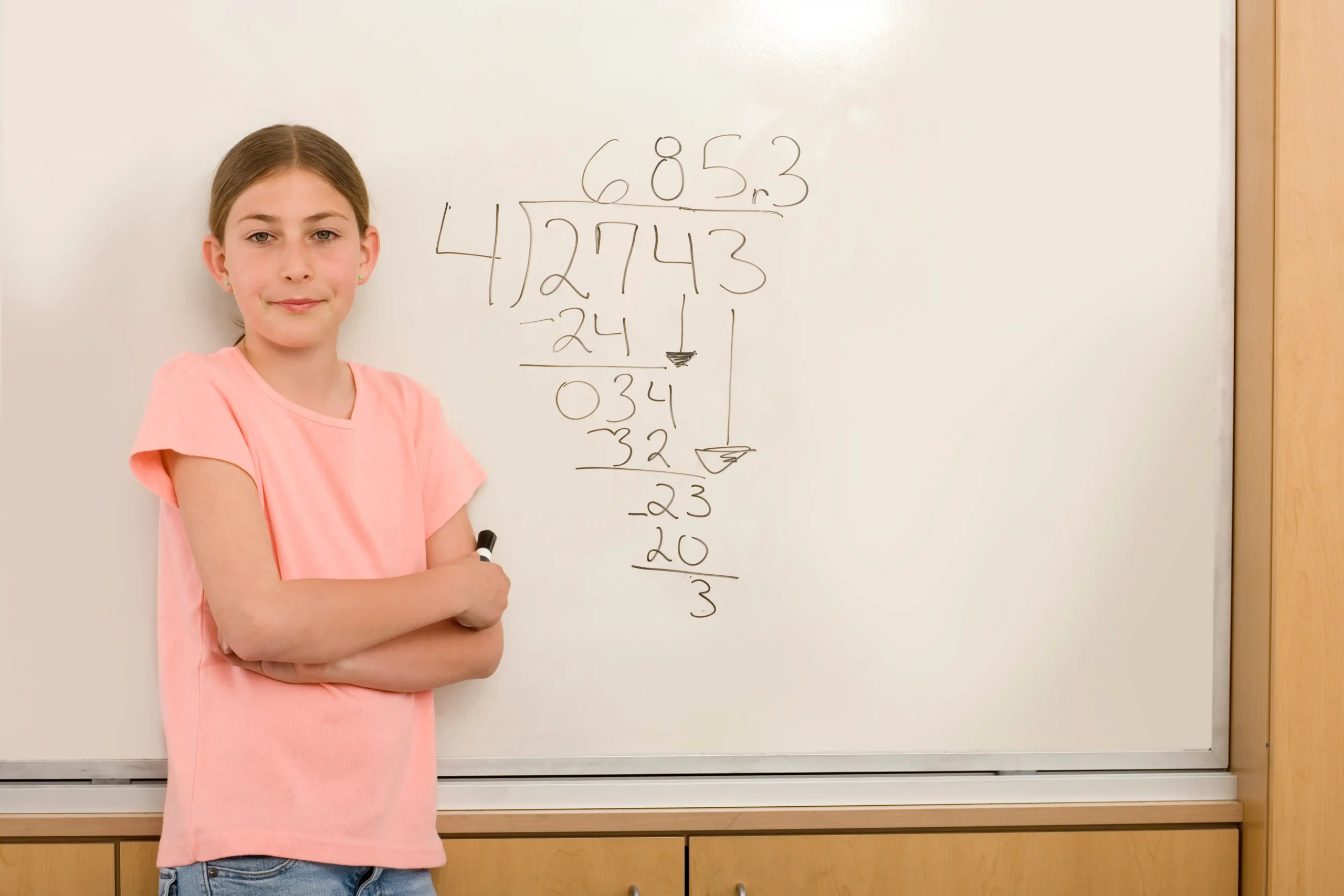
Math Books For 6th Graders
6th grade math test materials serve as an essential tool for evaluating how well students understand key concepts and how confidently they can apply them under time constraints. These assessments often cover a wide scope: operations with rational numbers, ratios and proportions, expressions and equations, geometry, and early statistical thinking.
A well-prepared test does not merely measure memorization; it reveals a student’s ability to interpret questions, choose correct strategies, and follow logical sequences. For this reason, practice tests help learners identify weak points long before the actual exam. Timed exercises also train students to manage pacing, read questions carefully, and avoid common mistakes that come from rushing.
Common features of an effective 6th grade math test include:
- A balanced distribution of multiple-choice, open-ended, and word-based questions
- Problems requiring step-by-step reasoning rather than simple recall
- Real-life scenarios that assess conceptual understanding
- Mixed-topic review sections that improve retention
When students regularly take structured practice tests, they develop stronger analytical habits and greater confidence. This consistent exposure to varied question formats gradually reduces test anxiety and builds a foundation for success in higher-level mathematics.
Math Books For 6th Graders
6th grade math books provide a deeper layer of explanation, context, and enrichment that classroom instruction alone may not fully deliver. These books often present mathematical ideas through stories, real-world examples, illustrations, and guided problem sets that make learning more enjoyable. By exploring a broader variety of explanations, students become more flexible thinkers and learn how mathematics connects to science, technology, and everyday life. Well-structured math books introduce concepts progressively—starting with essential number skills and moving into ratios, expressions, geometry, and data. This sequence helps students build understanding step by step without losing motivation. Many books also include challenge sections designed to stretch higher-level reasoning and encourage creative solutions.
A strong 6th grade math book typically contains:
- Clear explanations supported by visuals and step-by-step models
- Practice problems grouped by difficulty
- Chapter reviews that reinforce key learning goals
- Real-world applications that show how math solves practical problems
When students use math books consistently, they develop confidence in navigating complex topics independently. These resources not only reinforce classroom learning but also help cultivate curiosity, persistence, and a positive long-term relationship with mathematics.